

The art of immobilising wild and captive giraffe
Wildlife Veterinary Medicine
Write your awesome label here.
Why should I take this course?
-
 Master species-specific anaesthesia protocols tailored to the unique physiology and risks of giraffes
 -
Learn practical capture, restraint, and recovery techniques for both wild and captive giraffe scenarios
-
Improve safety and outcomes through evidence-based drug combinations, positioning strategies, and team coordination
Course Lessons
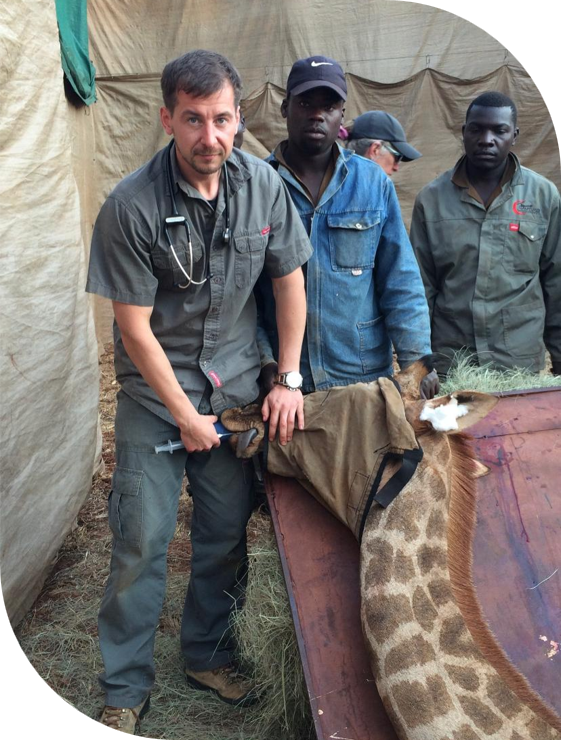
Meet your instructor
Dr. Aleksandr Semjonov
Dr. Aleksandr Semjonov is a veterinary anaesthesiologist, senior lecturer, and chief clinical officer at the Estonian University of Life Sciences. Based in Estonia, he works globally with zoo and wildlife species, focusing on novel anaesthetics and long-term anaesthesia for surgical procedures. His PhD research investigated the use of a butorphanol-azaperone-medetomidine combination in African wildlife. Dr. Semjonov specialises in the anaesthesia of carnivores, large ruminants, giraffes, elephants, and marine mammals.