

The art of immobilising elephants: Case studies on different sub species
Wildlife Veterinary Medicine
Why should I take this course?
-
 Learn species-specific drug protocols, darting techniques, and monitoring strategies for Asian, savanna, and forest elephants
 -
Understand the physiological and behavioural risks unique to each subspecies, including respiratory depression and musth
-
Apply real-world knowledge from expert-led case studies to improve safety, precision, and animal welfare during immobilisation
Course Lessons
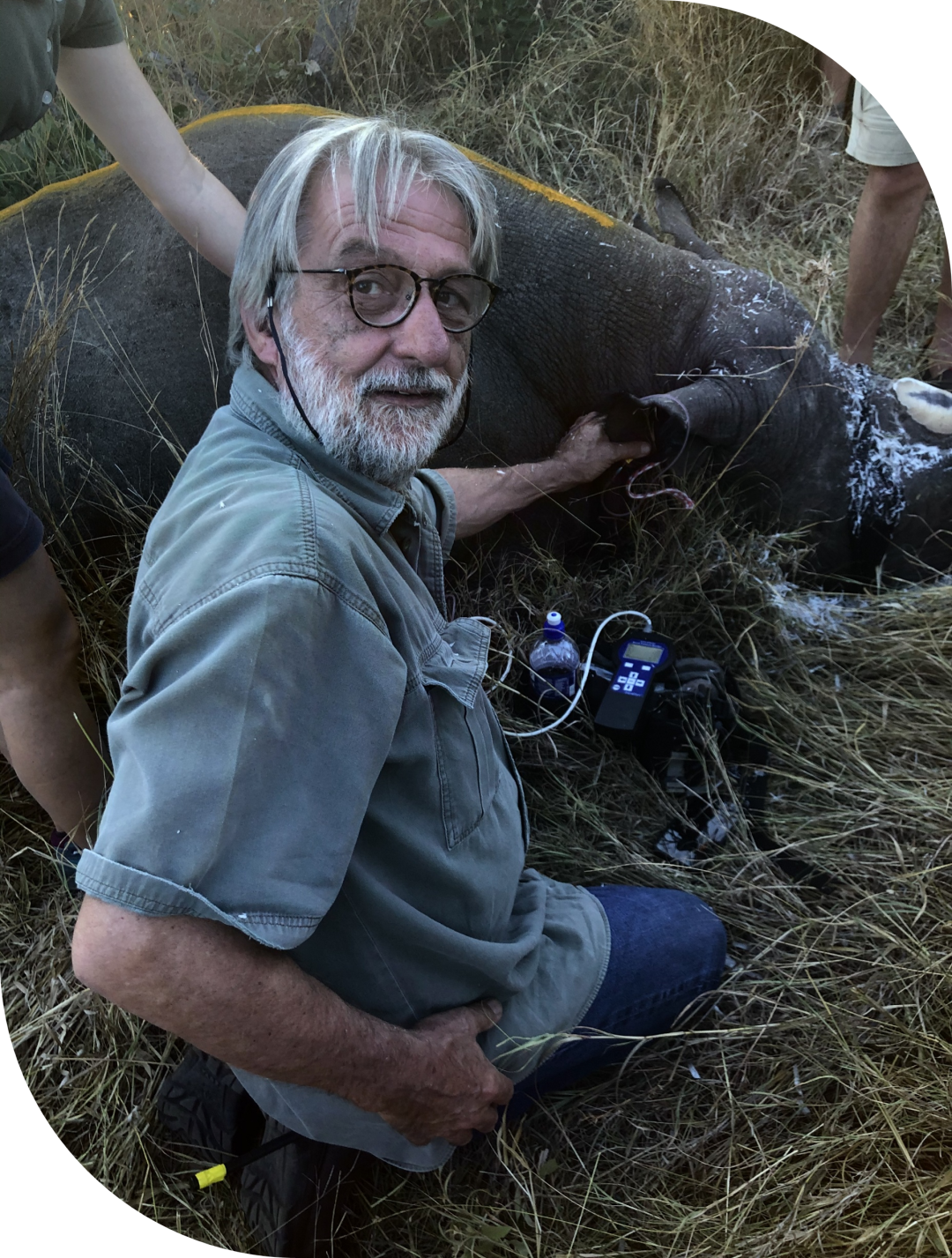
Dr. Cobus Raath
Dr. Cobus Raath earned his BVSc degree from the University of Pretoria’s Onderstepoort Veterinary Faculty in 1985. He began his career as Head Veterinarian for SANParks in Kruger National Park, where he spent 11 years developing systems and management plans still in use today. After establishing a private wildlife veterinary practice, he recognised the global need for conservation medicines and founded Wildlife Pharmaceuticals (Pty) Ltd in 1997. Committed to advancing wildlife health and conservation, Dr. Raath remains actively engaged in research, industry development, and international training, sharing his expertise through wildlife immobilisation courses worldwide.
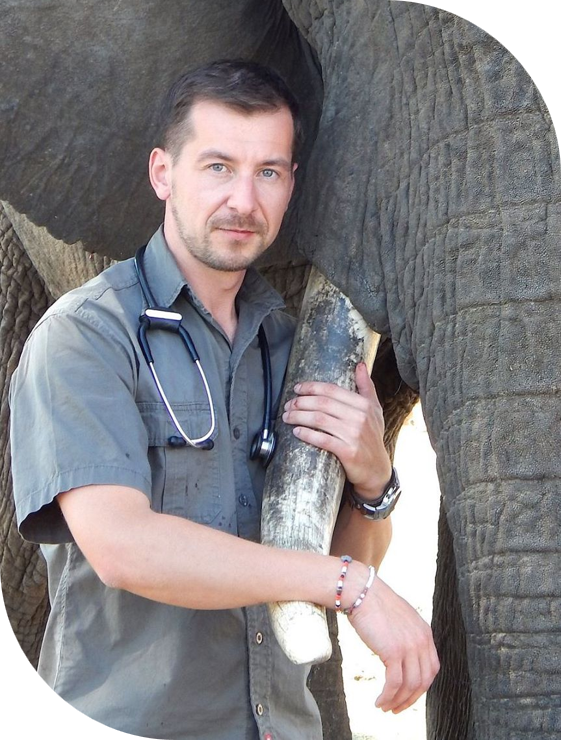
Dr. Aleksandr Semjonov
Dr. Aleksandr Semjonov is a veterinary anaesthesiologist, senior lecturer, and chief clinical officer at the Estonian University of Life Sciences. Based in Estonia, he works globally with zoo and wildlife species, focusing on novel anaesthetics and long-term anaesthesia for surgical procedures. His PhD research investigated the use of a butorphanol-azaperone-medetomidine combination in African wildlife. Dr. Semjonov specialises in the anaesthesia of carnivores, large ruminants, giraffes, elephants, and marine mammals.
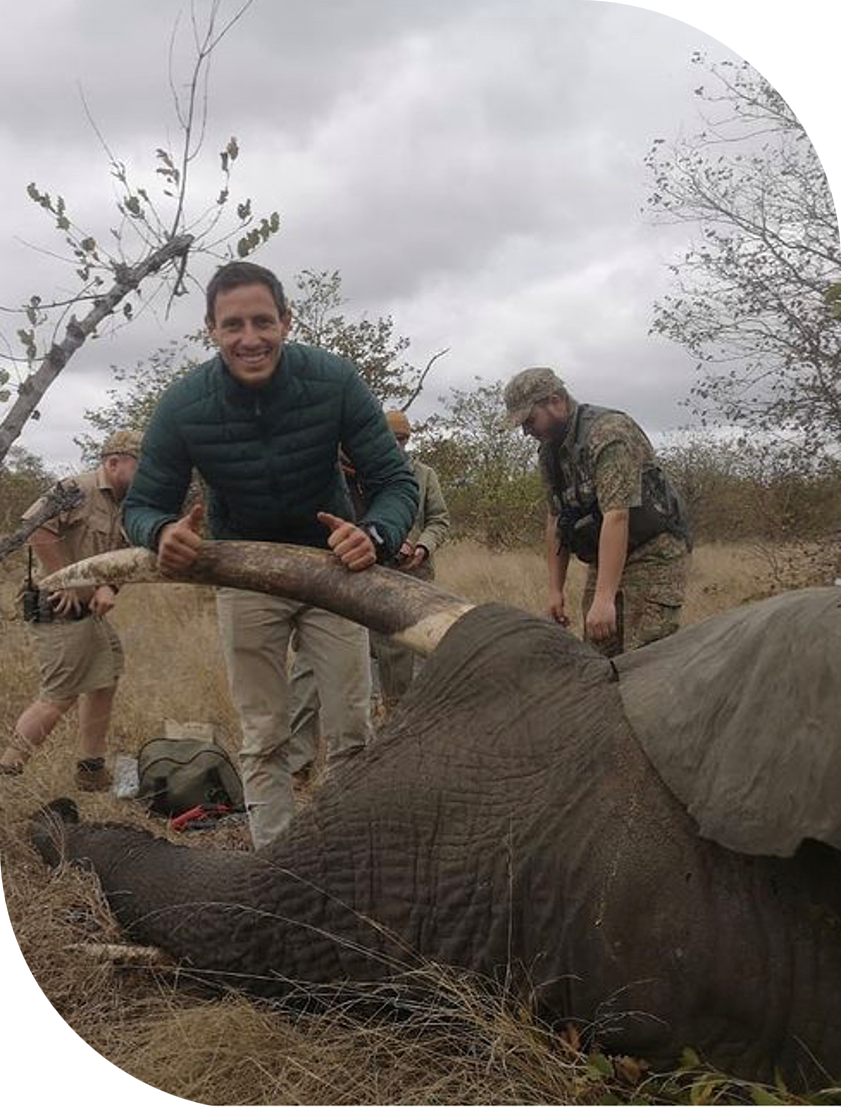
Dr. Joel Alves
Dr. Joel Alves graduated from the University of Pretoria’s Onderstepoort Veterinary Faculty in 2016 and completed his community service in the Lowveld in 2017. He later joined WildlifeVets.com before co-founding Wildscapes Veterinary & Conservation Services in Hoedspruit with Dr. Ben Muller. Passionate about conservation beyond veterinary practice, Dr. Alves is a member of the African Lion Working Group and serves on the board of trustees for the Lion Management Forum of South Africa. His career highlights include leading a large-scale dehorning operation of over 230 white and black rhinos in private reserves adjacent to Kruger National Park and collaring forest elephants in the Republic of Congo.
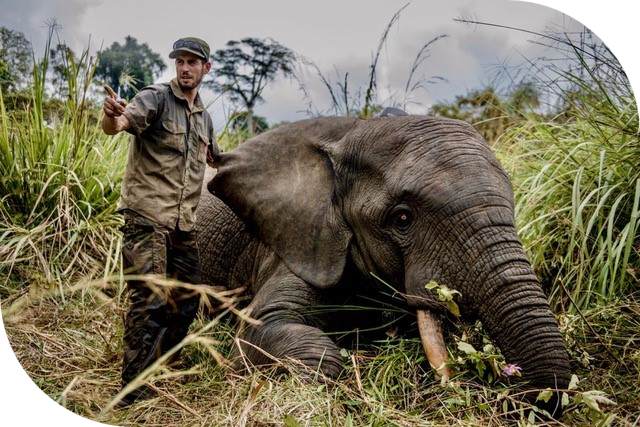
Dr. Richard Harvey