

Capture handling & immobilisation of North American canids
Wildlife Veterinary Medicine
Write your awesome label here.
Why should I take this course?
-
 Learn best practices for safely capturing, handling, and immobilising wolves, coyotes, and other North American canids
 -
Understand species-specific drug protocols, physical restraint tools, and facility designs for both wild and captive animals
-
Gain practical insights from field-tested methods including helicopter capture, Y pole use, netting, and humane pen handling
Course Lessons
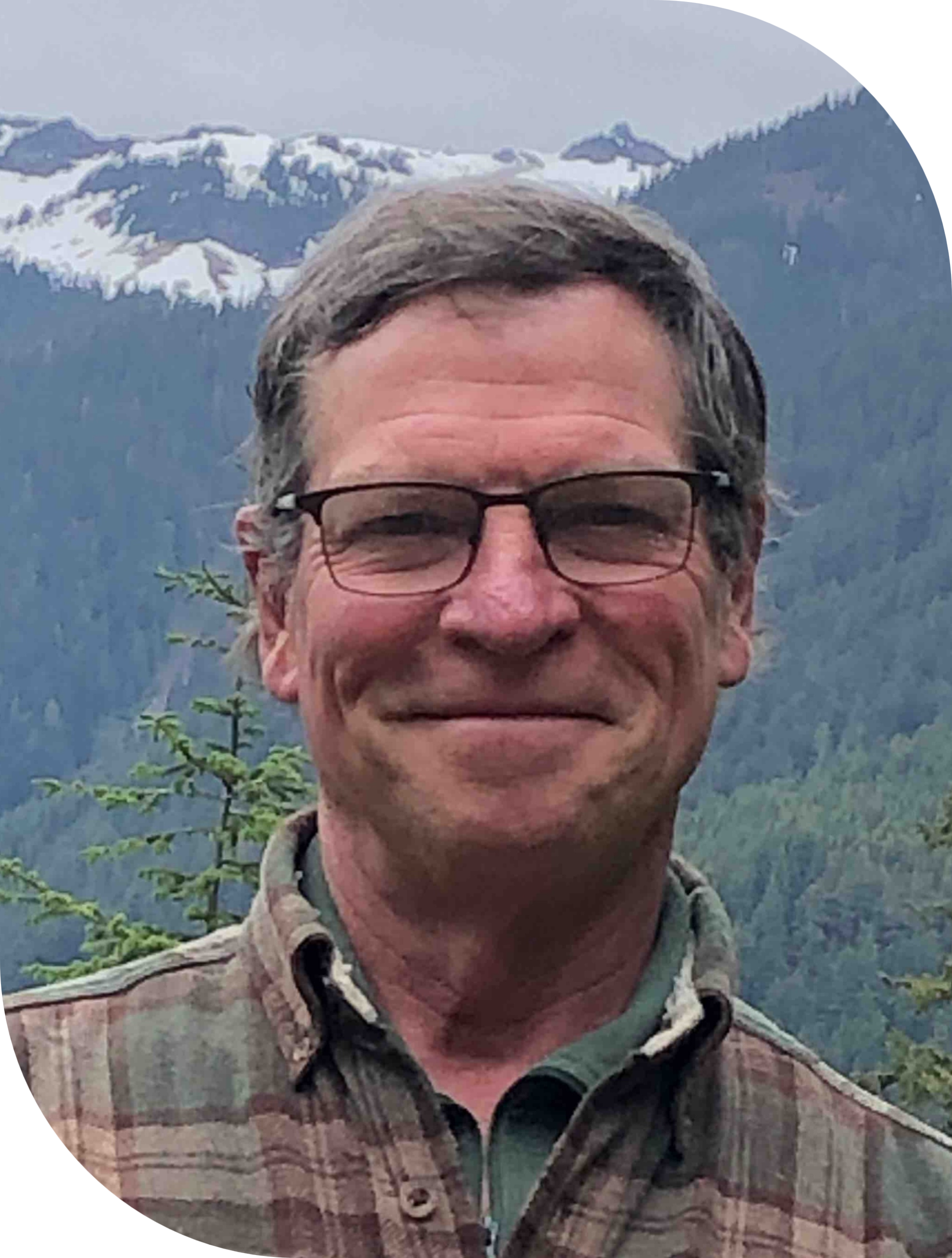
Meet your instructor
Dr. Mark Johnson
Dr.
Mark is a wildlife veterinarian and founder of Global Wildlife Resources, with
over 30 years of experience in wildlife capture and chemical immobilisation
training for students and professionals. He served as Project Veterinarian for
the U.S. Fish and Wildlife Service’s 1995–96 gray wolf reintroduction into
Yellowstone National Park and was the first wildlife veterinarian employed by
the National Park Service. He is Affiliate Faculty with the University of
Montana Wildlife Biology Program and an instructor for USDA Wildlife Services.
Dr. Mark leads state wildlife agency training through his online course, The Foundations of Wildlife Capture, and has advised projects including the Gelada Monkey Project in Ethiopia, bighorn disease research in Montana, and bear research at MPG Ranch. He currently serves as Project Veterinarian for the Colville Tribe Lynx Augmentation Program and a Panthera cougar project in Washington. His teaching emphasises care, respect, and empowerment in every aspect of wildlife handling.
Dr. Mark leads state wildlife agency training through his online course, The Foundations of Wildlife Capture, and has advised projects including the Gelada Monkey Project in Ethiopia, bighorn disease research in Montana, and bear research at MPG Ranch. He currently serves as Project Veterinarian for the Colville Tribe Lynx Augmentation Program and a Panthera cougar project in Washington. His teaching emphasises care, respect, and empowerment in every aspect of wildlife handling.