

Butorphanol in the wild: Advancing anaesthetic protocols
Wildlife Veterinary Medicine
Write your awesome label here.
Why should I take this course?
-
 Deepen your understanding of butorphanol’s receptor pharmacology and its unique role in wildlife sedation and immobilisation
 -
Learn how to optimize drug combinations with butorphanol for various species, from lions to rhinos, using field-proven protocols
-
Explore how butorphanol can partially reverse opioid-induced respiratory compromise and enhance cardiovascular safety during procedures
Course Lessons
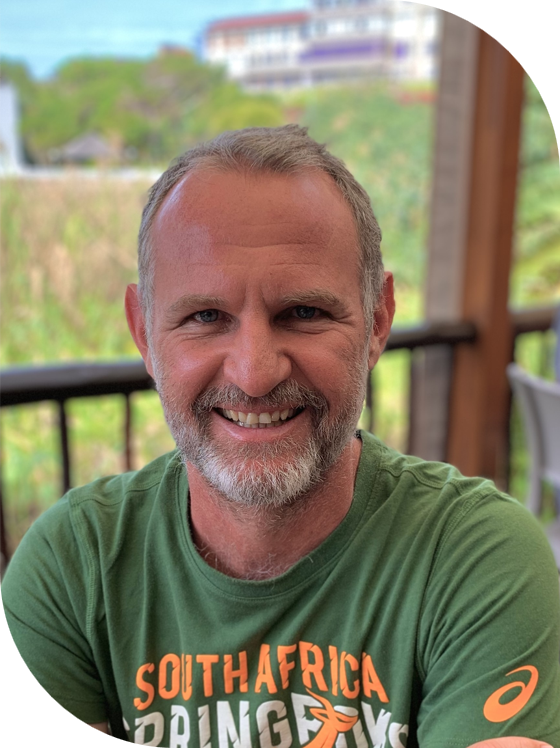
Meet your instructor
Prof. Leith Meyer
Prof.
Leith Meyer is Director of the Centre for Veterinary Wildlife Research and
Professor at the University of Pretoria. He holds a PhD in Physiology (Wits), a
BVSc (UP), and a BSc Honours in Wildlife Management (UP). His research focuses
on wildlife conservation medicine, pharmacology, physiology, and the veterinary
management of wildlife. He has published over 120 research papers, eight book
chapters, and contributed to the latest edition of the Handbook for Wildlife
Chemical Immobilisation.
His work aims to improve the health and welfare of wildlife by understanding the physiological impacts of veterinary interventions, including capture, translocation, reintroduction, rehabilitation, and anaesthesia. He is particularly interested in temperature regulation, ecophysiology, and the effects of climate change on free-living mammals, with a focus on reducing the side effects of wildlife management procedures.
His work aims to improve the health and welfare of wildlife by understanding the physiological impacts of veterinary interventions, including capture, translocation, reintroduction, rehabilitation, and anaesthesia. He is particularly interested in temperature regulation, ecophysiology, and the effects of climate change on free-living mammals, with a focus on reducing the side effects of wildlife management procedures.